
Have You Heard of Tajima Gyu?
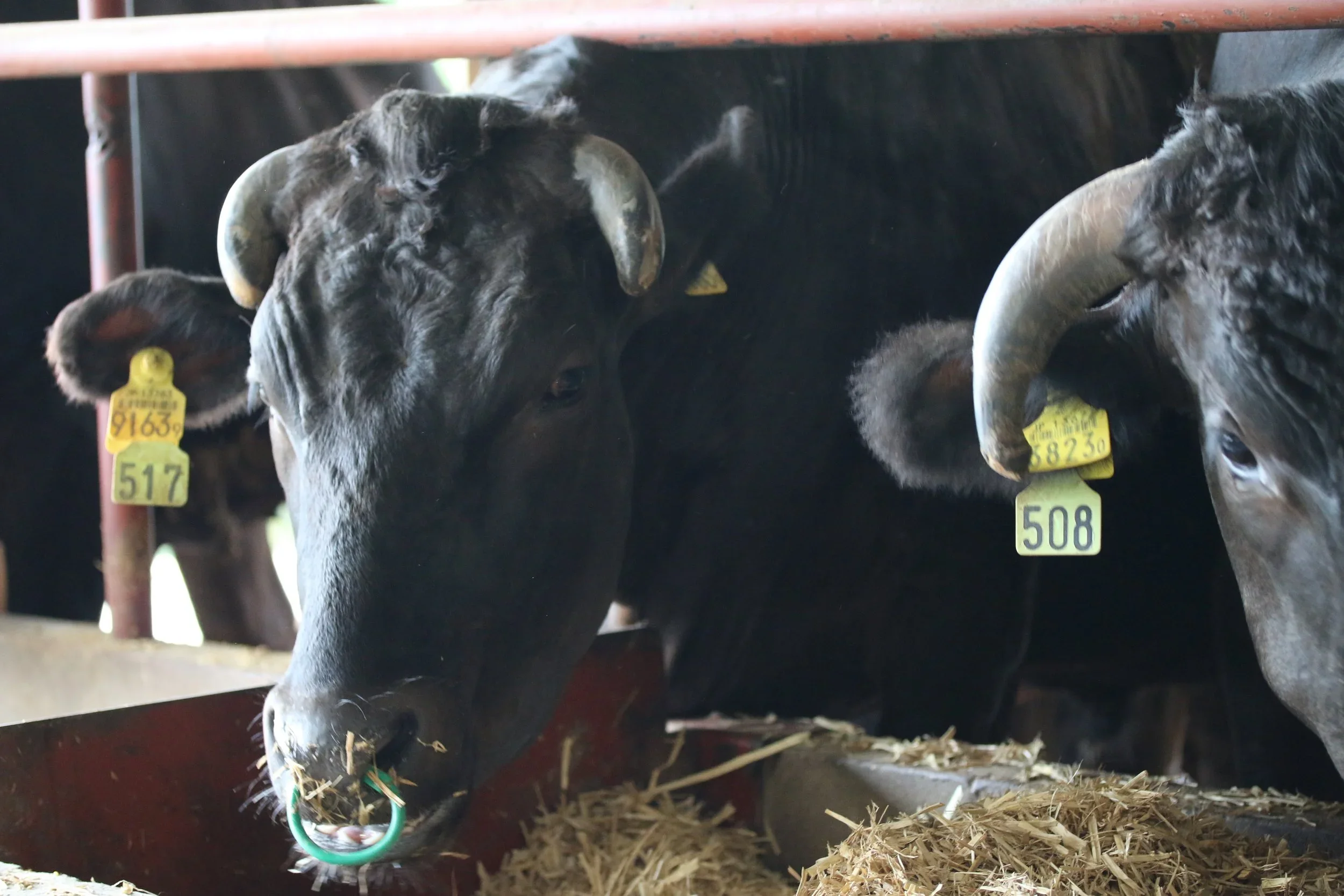
If you’ve spent time around Wagyu, you’ve probably heard names like Kobe or Matsusaka.
But behind many of Japan’s most famous Wagyu brands lies a much older and more important foundation: Tajima Gyu.
Tajima Gyu isn’t just a regional name — it’s one of the most influential bloodlines in the entire history of Wagyu.
What Is Tajima Gyu?
Tajima cattle are a type of Kuroge Washu, or Japanese Black cattle.
They originate from what is now Hyogo Prefecture and are known for their:
fine, even marbling
small-framed build
soft fat texture
refined balance rather than excessive size
When people talk about “beautiful Wagyu marbling,” Tajima genetics are often at the core of that image.
Tajima Cattle Before Beef Was Commonly Eaten
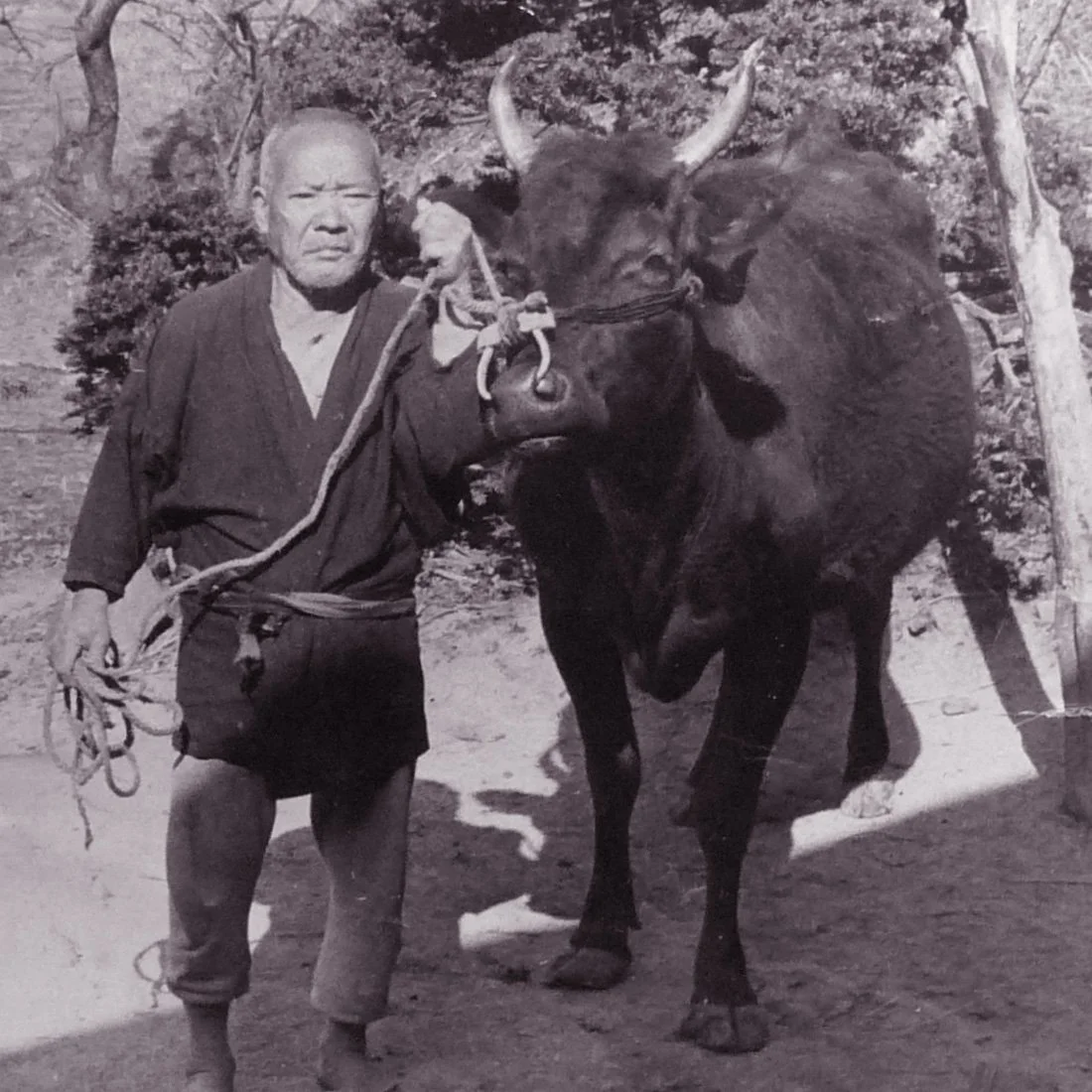
Long before Wagyu became something to eat, Tajima cattle had a very different role.
During the Heian Period, cattle in Japan were primarily used for:
cultivation
transport
farm labor
Eating beef was rare, and cattle were valued more for their strength and endurance than for meat quality.
It wasn’t until later that Japan’s relationship with beef began to change.
The Turning Point: Crossbreeding in the Meiji Era
During the Meiji Era, Japan opened itself to the outside world, and with that came new agricultural ideas. Many farmers began crossbreeding native Japanese cattle with foreign breeds, hoping to improve size and productivity.
However, the results were disappointing.
Crossbreeding often led to:
rougher temperaments
increased illness
meat that lacked the refinement Japanese cattle were known for
As these issues became clear, efforts began to restore and protect pure Japanese Wagyu genetics.
The Importance of Tajiri-go
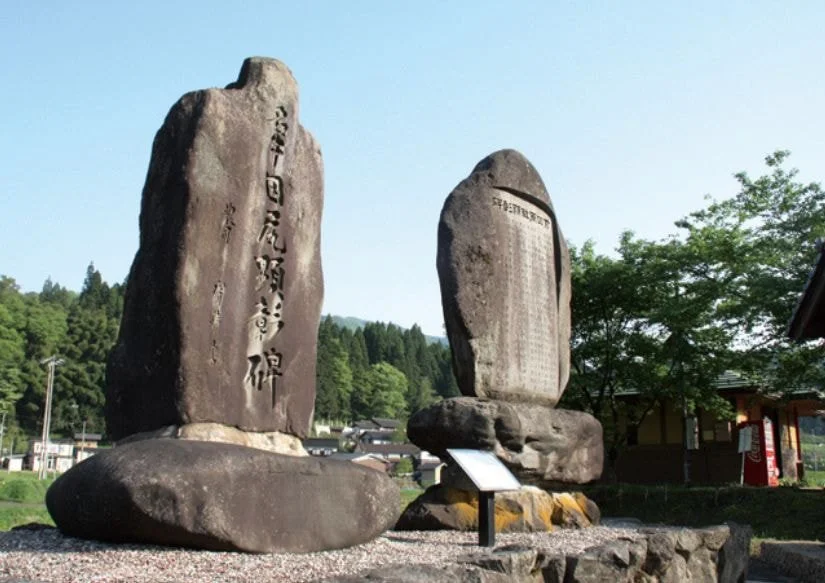
During this restoration period, a bull named Tajiri-go was identified as having exceptional traits. According to the National Wagyu Registry Association, approximately 99.9% of today’s Kuroge Washu cattle are direct descendants of Tajiri-go.
His genetics were valued for:
calm temperament
strong adaptability
high-quality meat characteristics
From this point on, Tajiri-go’s bloodline spread across Japan, forming the genetic backbone of modern Wagyu.
Tajima Gyu as the Foundation of Famous Wagyu Brands
As Tajima genetics spread and were refined in different regions, they gave rise to many of the Wagyu brands we recognize today.Some of Japan’s most well-known Wagyu, including Kobe Beef and Matsusaka Beef, trace their origins back to Tajima bloodlines.
While each region developed its own feeding practices, environments, and branding, the genetic base remained deeply connected to Tajima cattle. This is why Tajima Gyu is often described not as a single “brand,” but as a starting point.
Even today, Tajima cattle are prized for qualities that align closely with how Wagyu is enjoyed in Japan. You can see this clearly in cuts like the round, where Tajima cattle often show surprisingly fine marbling despite being a traditionally lean area.
Tajima Gyu may not always be the name on the menu, but its influence is everywhere.
Understanding Tajima cattle helps explain:
why Wagyu marbling looks the way it does
why texture matters as much as richness
and why many of Japan’s top Wagyu brands share a common genetic story
It’s one of the quiet foundations of Wagyu — and one of the most important.
