Wagyu Ribeye: One Cut, Many Ways
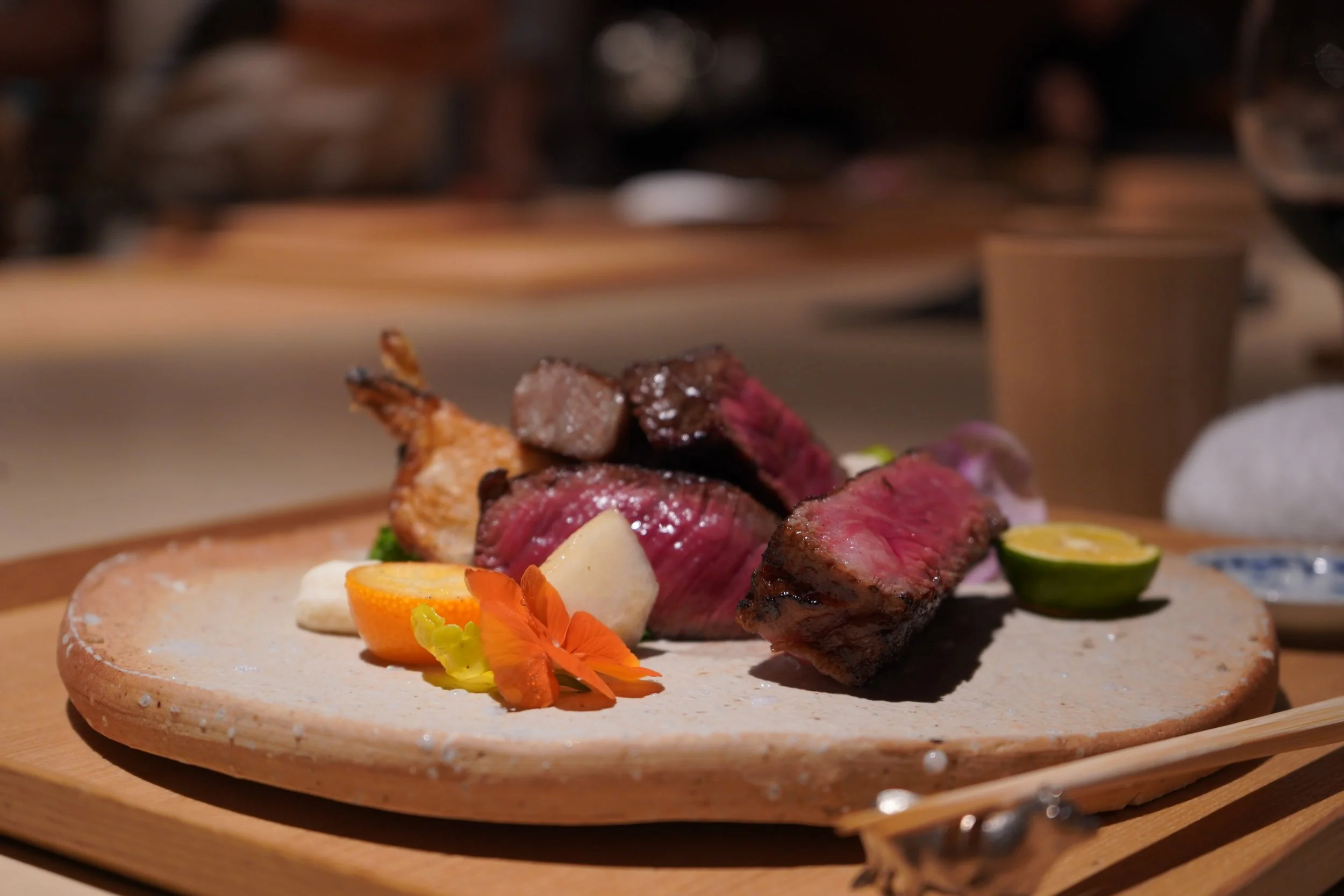
For many people, ribeye is the ultimate steak. In Western steak culture, it’s known for richness, juiciness, and bold flavor — often the cut people choose when they want the “best” experience. With Wagyu, however, ribeye plays by different rules. The cut is familiar, but the experience can feel completely different, and this is where confusion often begins.
Why Wagyu Ribeye Feels Different as a Steak
In Wagyu, ribeye contains a high amount of intramuscular fat. When marbling levels are high, that fat melts extremely quickly, even at lower temperatures.
When ribeye is cut thick and cooked as a steak, this can sometimes lead to:
a very rich mouthfeel early in the meal
less contrast between lean meat and fat
a feeling of heaviness halfway through
For people used to Western ribeye steaks, this can be surprising. Ribeye is “supposed” to be great as a steak — but Wagyu challenges that expectation.
This doesn’t mean Wagyu ribeye steak is bad. It simply means it’s different, and often requires a different approach.
When Ribeye Steak Works Beautifully in Wagyu
Ribeye can be excellent as a Wagyu steak when:
the marbling level is more moderate
the portion size is smaller
the cooking is precise and restrained
With lower marbling Wagyu ribeye, the beef flavor comes forward more clearly. The fat still melts easily, but it supports the meat rather than dominating it.
In these cases, ribeye delivers:
depth of flavor
softness without excess
a balance closer to what steak lovers expect
This is why many chefs prefer A4 or lower-marbling ribeye for steak, rather than the highest possible grade.
Ribeye as Thin Slices: A Japanese Perspective
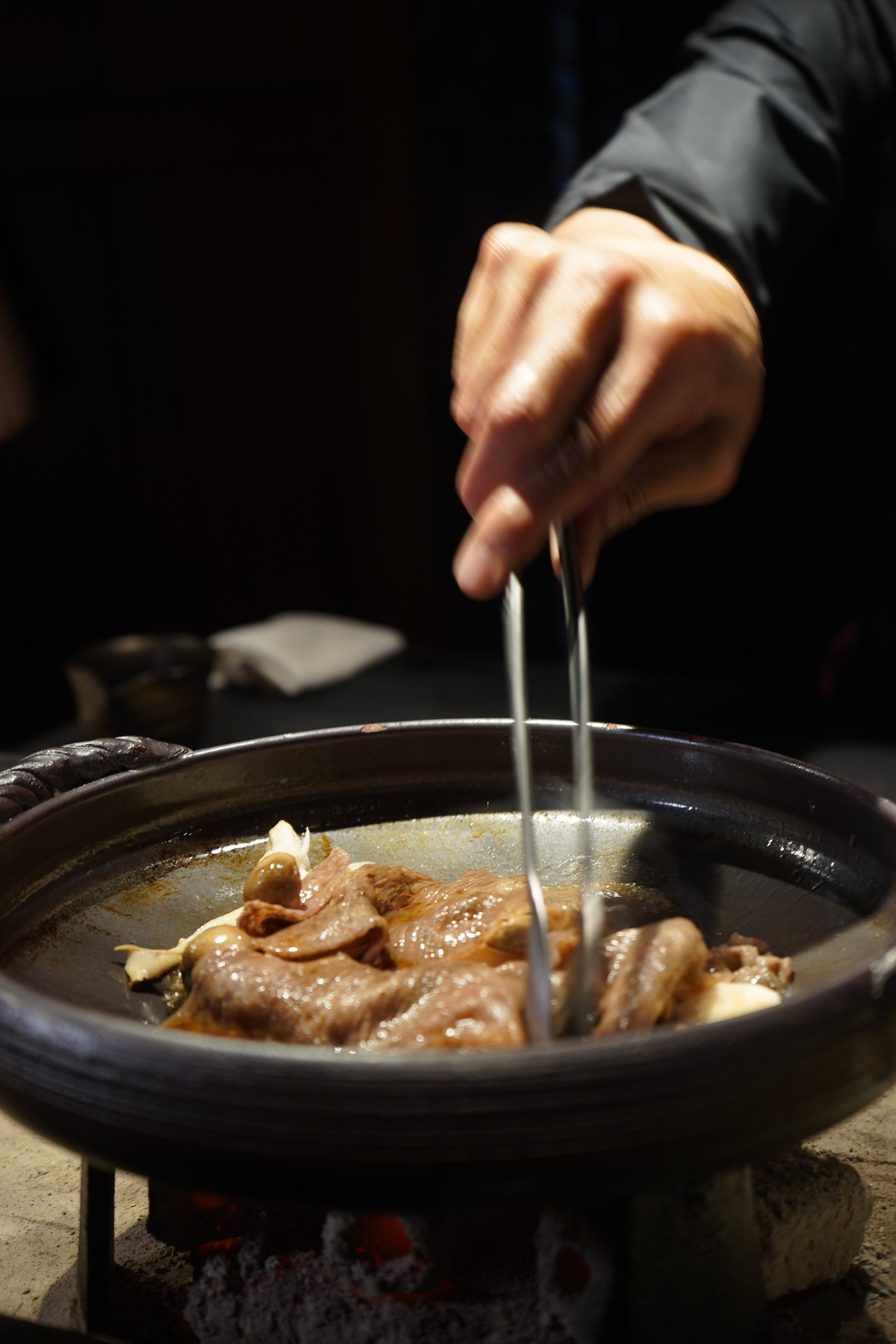
In Japan, ribeye is often sliced very thin and used for dishes like sukiyaki or shabu-shabu.
This isn’t about economy or tradition alone — it’s about control.
Thin slices allow:
the fat to melt instantly
the aroma of the beef to rise
each bite to stay light and clean
Instead of one large, rich experience, ribeye becomes something you can enjoy repeatedly, bite after bite, without fatigue.
This is one of the clearest examples of how Wagyu is enjoyed differently in Japan.
Ribeye for Yakiniku: Between Steak and Hot Pot
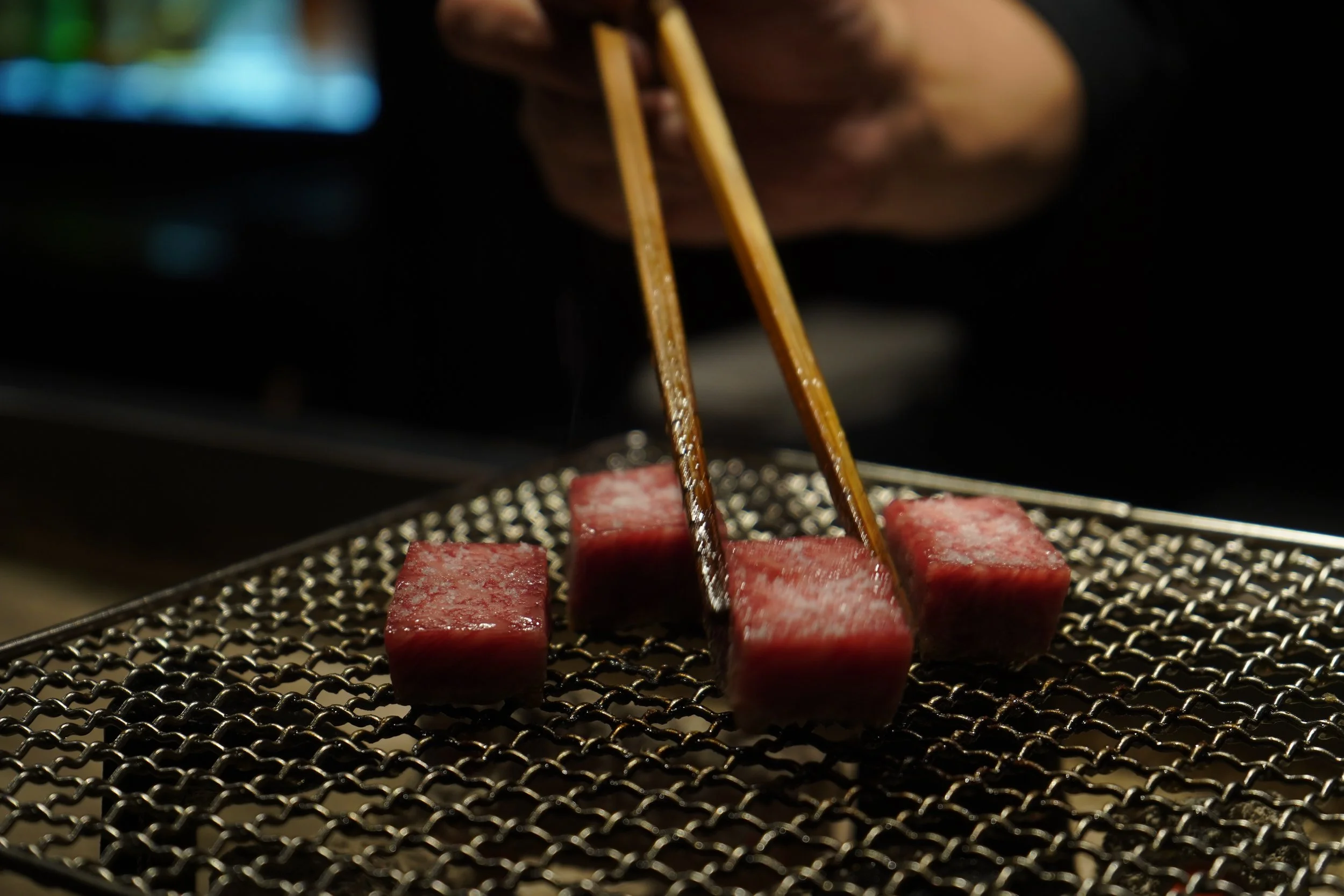
Yakiniku sits between steak and sukiyaki in terms of thickness.
Ribeye for yakiniku is usually:
sliced thicker than sukiyaki
thinner than a steak
grilled quickly and eaten immediately
This style highlights:
caramelization on the surface
softness inside
the immediate sweetness of Wagyu fat
Here, ribeye feels indulgent but controlled — rich, yet satisfying in small portions.
Thickness Changes the Experience More Than the Cut
One of the biggest misunderstandings around Wagyu is thinking that the cut alone defines the dish.
With Wagyu, thickness and portion size are just as important as the cut itself.
Thin ribeye emphasizes aroma and melt
Medium cuts emphasize juiciness and balance
Thick cuts emphasize richness and fullness
None are wrong, but they create very different experiences.
Rethinking Ribeye Expectations
Many people come to Wagyu expecting the same ribeye experience they love abroad. When that expectation isn’t met, they assume something is wrong with the Wagyu — or with their own taste.
In reality, Wagyu isn’t trying to replicate Western steak culture. It’s offering a different way to enjoy beef, one that prioritizes:
pacing over impact
balance over intensity
repetition over a single highlight
Once that shift in mindset happens, ribeye starts to make sense again.
Final Thoughts
Ribeye will always be one of the most expressive cuts of beef. With Wagyu, it simply asks to be enjoyed differently. Sometimes that means thin slices. Sometimes it means yakiniku. And sometimes, with the right marbling and the right size, it makes a beautiful steak. Understanding that flexibility is the key to enjoying Wagyu ribeye at its best.