
The Art of Traceability: How Japan Selects Wagyu
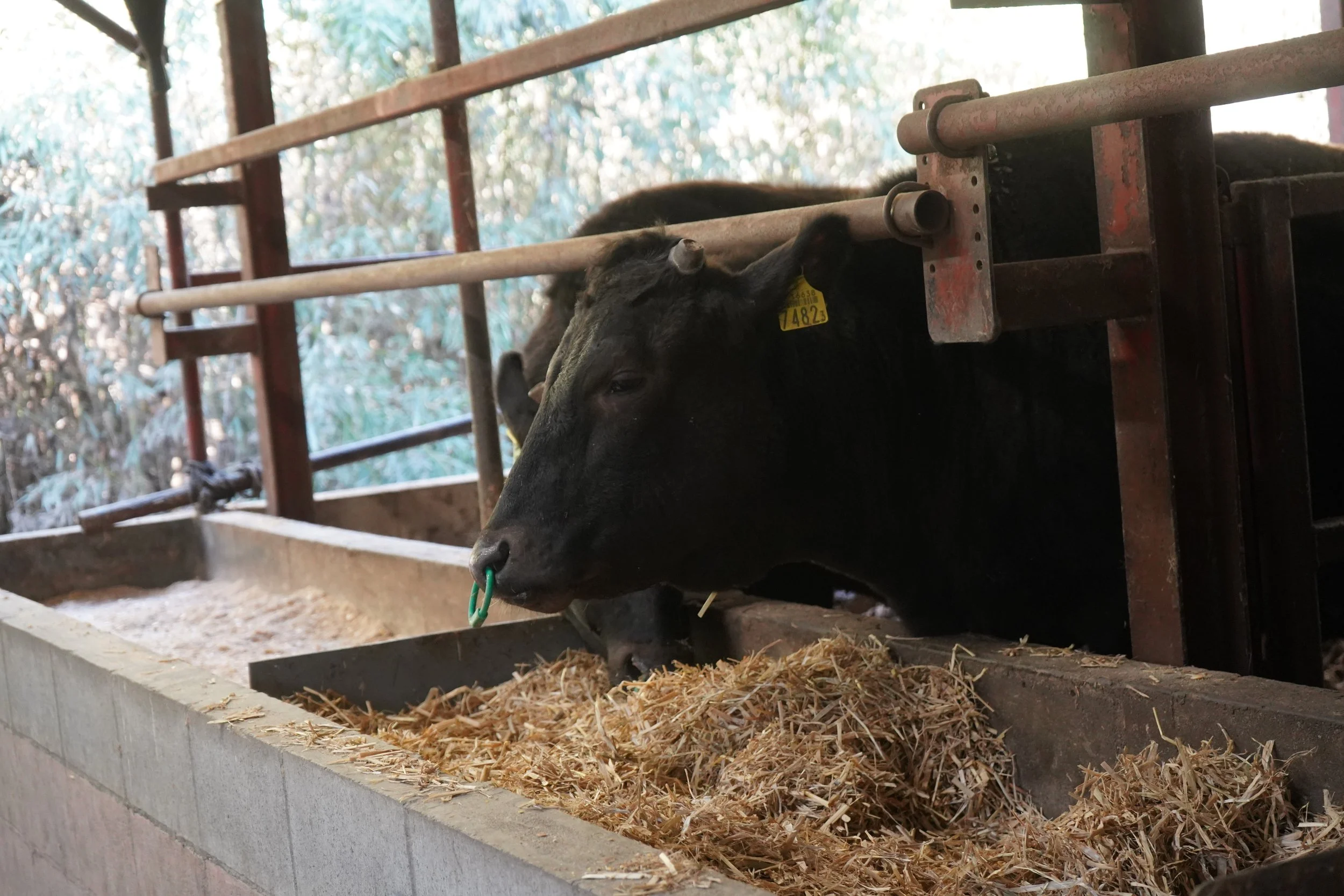
When people talk about Wagyu, the conversation often begins with marbling or grade.
In Japan, it usually starts much earlier — with traceability.
Traceability is not just a regulatory system. It is a way of understanding cattle through time, connecting genetics, environment, and human decision-making into every stage of Wagyu production.
Traceability as a Foundation, Not a Feature
Japan is one of the few countries where every single cow is individually tracked from birth to market. Each animal is assigned a 10-digit identification number that allows anyone to access detailed records about that animal’s life.This includes where the cow was born, which farms raised it, how long it was raised, and basic information such as breed and gender. More importantly, it also allows producers, buyers, and chefs to understand the genetic background behind the meat.
This level of transparency reflects how deeply Wagyu producers value accountability. Traceability is not something added at the end — it is built into the system from the very beginning.
Genetics at the Core of Wagyu Selection
Japanese Wagyu producers have been studying genetics for generations. This is not theoretical science, but accumulated knowledge passed down through practice, observation, and results.
Genetics are considered throughout the entire process: breeding, raising, carcass inspection, and auction selection. By the time a carcass reaches auction, it already carries a detailed genetic and environmental history. For experienced selectors, genetics offer important clues. Certain bloodlines are known for producing softer or firmer meat, lighter or deeper flavor, or finer marbling even in leaner cuts. Others may show different fat characteristics or structural traits.
The age of the animal also matters. It provides insight into fat melting point and overall balance, helping buyers anticipate how the beef will behave once cooked. All of this information shapes decisions long before a grade is even considered.
What Buyers Really Look At in Wagyu Auctions
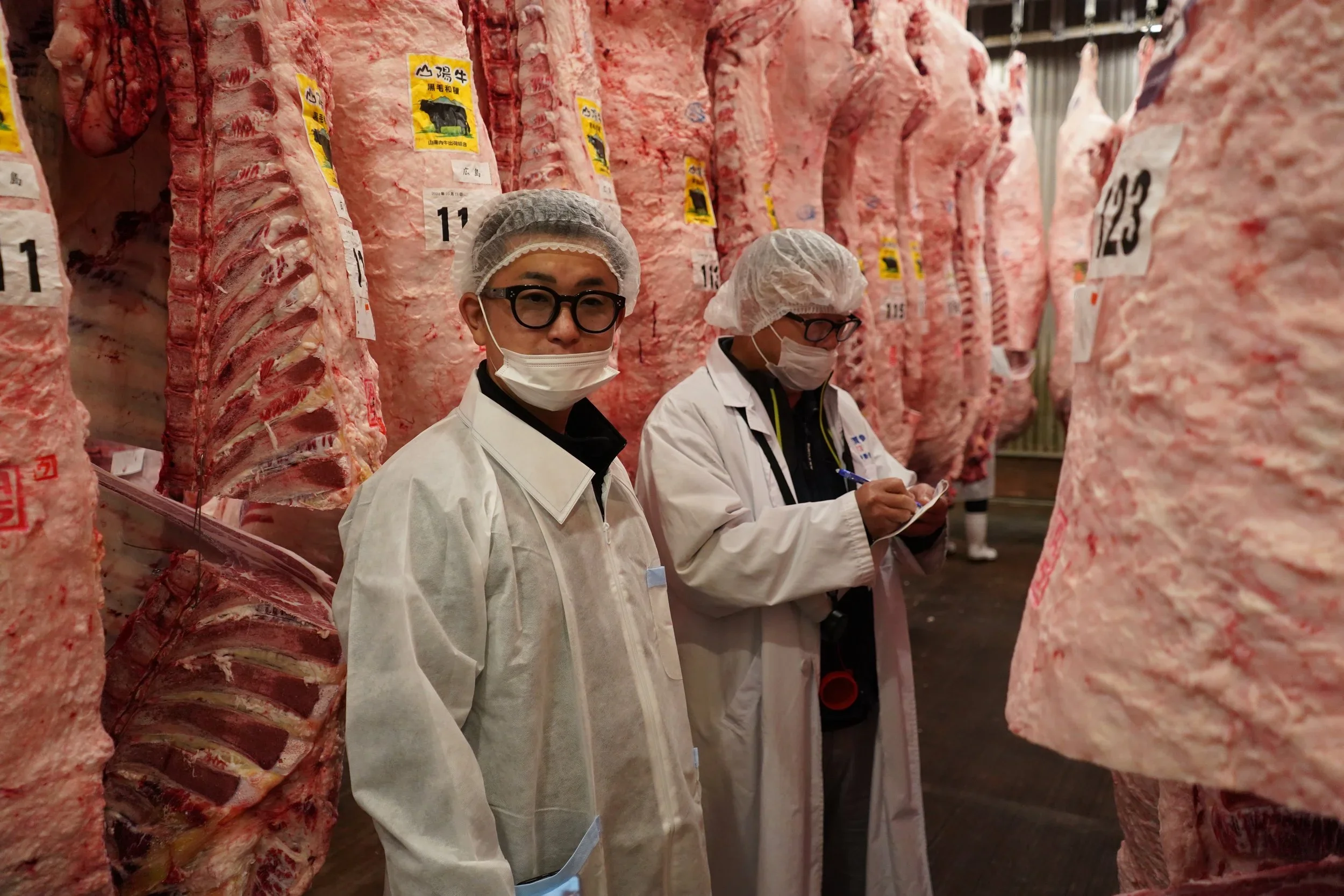
At Wagyu auctions, grading is only one part of the evaluation. Selectors look at the carcass itself, but they are also reading the background behind it. They consider how long the animal was raised, the region it comes from, the producer’s reputation, and the genetic line that supports it. This allows buyers to predict how the meat will perform in different settings — whether it will shine as thin slices, yakiniku cuts, or steak portions. In this sense, auctions are less about buying meat and more about selecting potential.
Tracing Wagyu Back Five Generations
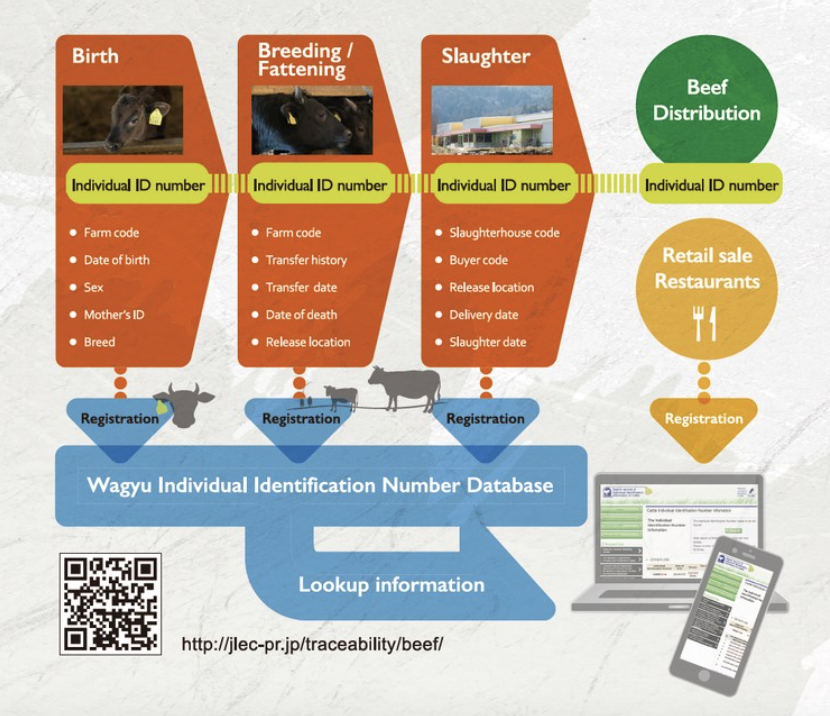
To understand how detailed this system is, we traced the Wagyu shown in the photo — a Picanha (Top Coulotte) — using its 10-digit identification number.
The number was 0866755670.
By entering it into the National Livestock Breeding Center’s Search Service of Individual Identification Information of Cattle, we were able to see that the animal was born on September 27th, 2018, in Hokkaido Prefecture. The records also showed when it moved from the breeding farm to the feeding farm, along with its breed (Kuroge Washu) and gender (female).
From there, we traced the maternal parent, then the maternal grandparent, and continued backward. The database provided detailed information across five generations, all leading to the piece of Wagyu we eventually enjoyed.
This level of traceability is not reserved for special cases. It is the standard.
What This System Makes Possible
In many parts of the world, traceability has become a deciding factor in where and how people choose to buy beef. In Japan, this system has been quietly in place for decades. By tracing every animal back to its origin, Wagyu producers can refine breeding decisions, selectors can purchase with confidence, chefs can better understand the meat they handle, and consumers can trust what they are eating.
Traceability turns Wagyu into something personal rather than anonymous. It connects a single cut of beef to a long chain of decisions, people, and time. In that sense, the art of traceability is not about data alone. It is about knowing where food comes from — and treating it accordingly.
