
Comparing Two Wagyu Brands: Kobe Beef vs Miyazaki Beef
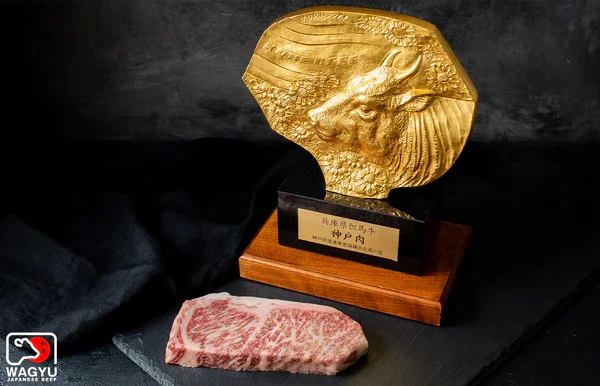
When people talk about Wagyu, brand names often become a shorthand for quality. Among them, Kobe Beef and Miyazaki Beef are two of the most widely recognized.
Both are outstanding examples of Japanese Wagyu, but the core differences lie in bloodline, place of production, and how quality is defined. Understanding those differences helps explain why they taste and feel distinct on the plate.
Bloodline: Genetics as a Starting Point
One of the biggest distinctions between Kobe Beef and Miyazaki Beef is bloodline.
Kobe Beef must come from pure Tajima cattle, a lineage that has been preserved for over 1,200 years. These genetics are known for producing fine, even marbling and an elegant fat texture.
(We explored this foundation in more detail in our earlier article on Tajima Gyu, which explains why Tajima genetics sit at the heart of so many prestigious Wagyu brands.)
Miyazaki Beef, on the other hand, comes from Kuroge Washu (Japanese Black cattle) raised in Miyazaki Prefecture. While many Miyazaki cattle also trace their roots back to Tajima genetics, the brand itself is not defined by a single bloodline, but by how the beef performs against clear quality standards.
Place of Production: Strict Origin vs Regional Strength
Kobe Beef is defined by extremely strict rules regarding where cattle are born, raised, and processed. Only Tajima cattle raised entirely within Hyogo Prefecture—and meeting precise criteria—can be certified as Kobe Beef. Even among Tajima cattle, only a small percentage qualify.
Miyazaki Beef is produced in Miyazaki Prefecture, one of Japan’s most active Wagyu-producing regions. Cattle are raised locally, and the prefecture has invested heavily in breeding programs, farmer collaboration, and long-term data analysis to raise overall quality across the region.
Quality Standards: Lineage vs Evaluation
Another key difference lies in how quality is defined.
Kobe Beef is built around lineage and strict production rules. Its reputation comes from preserving pure Tajima genetics and controlling every step of the process. The resulting beef is known for:
very low fat melting point
fine, delicate marbling
a refined sweetness
a light mouthfeel that is often described as easy to enjoy despite its richness
Miyazaki Beef is defined by a clear evaluation standard. Only beef that achieves meat quality grade 4 or higher can be labeled as Miyazaki Beef. This assessment looks at marbling, lean meat quality, firmness, texture, and color.
Because of this, Miyazaki Beef is often described as:
well-balanced between lean and fat
rich in umami
versatile across different cooking styles
Rather than prioritizing lineage alone, the brand emphasizes how the beef performs as a finished product.
How These Differences Translate to the Plate
Kobe Beef tends to shine in smaller portions and thinner cuts, where its low melting point and elegant fat can be fully appreciated without overwhelming the palate. It is often enjoyed in tasting-style courses, lightly cooked preparations, or thin slices.
Miyazaki Beef adapts well to a wider range of uses. Its balance of marbling and lean meat allows it to work beautifully as steaks, yakiniku cuts, or shared dishes, offering both richness and depth of flavor.
What This Comparison Really Shows
Both Kobe Beef and Miyazaki Beef represent the highest level of Japanese Wagyu, but they are built on different strengths.
Kobe Beef is defined by:
pure Tajima bloodline
strict regional control
history and refinement
Miyazaki Beef is defined by:
clear quality evaluation (grade 4 and above)
balance between lean and fat
consistency at a regional scale
Neither approach is superior — they simply reflect different philosophies.
Understanding this helps move beyond brand names and toward a deeper appreciation of how Wagyu is shaped by genetics, environment, and intention.
