
What About Wagyu Brands?
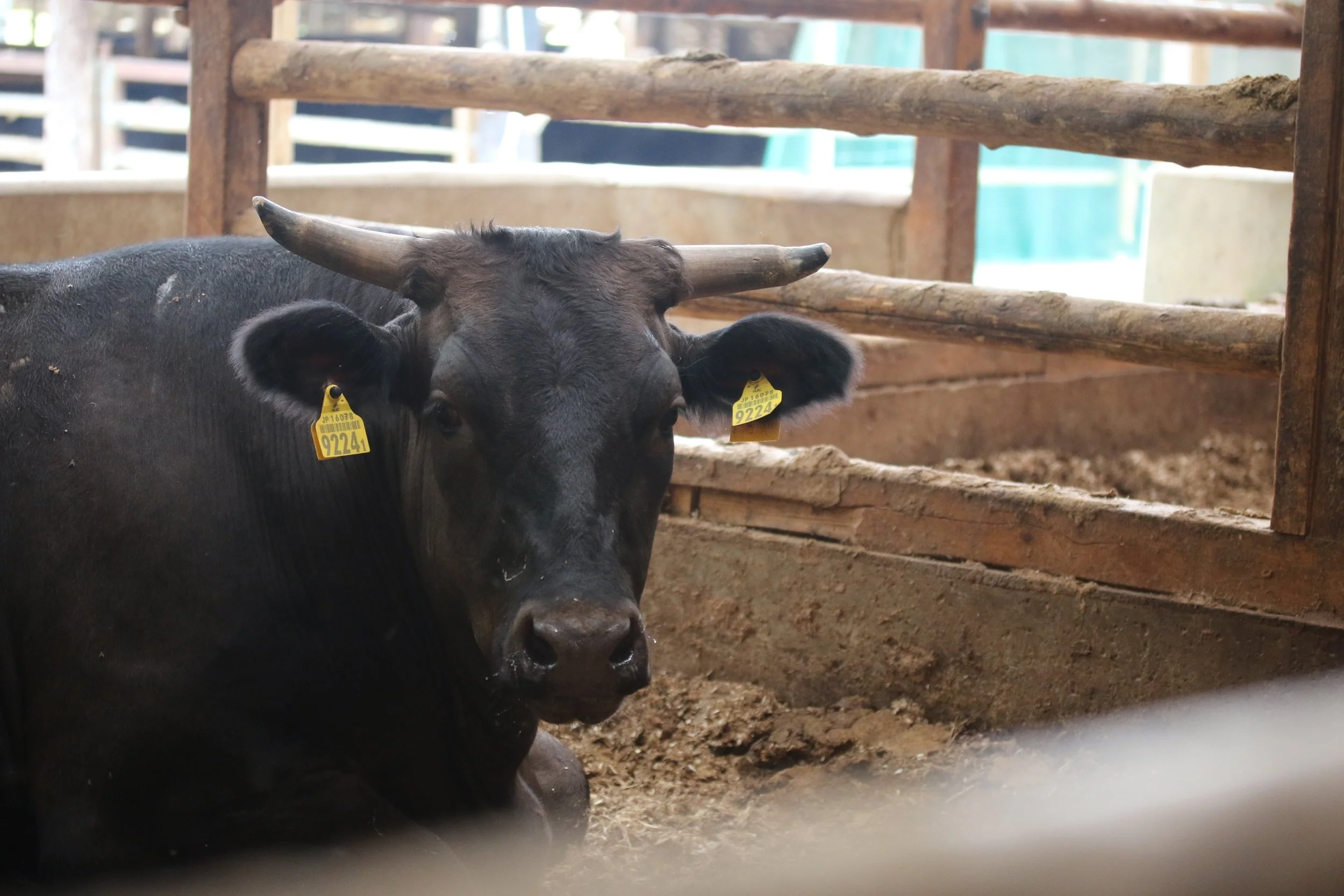
When people talk about Wagyu, brand names often come first. Names like Kobe Beef, Olive Wagyu, or Miyazaki Beef are frequently highlighted in media and menus around the world.
But what do Wagyu brands actually represent—and how much do they tell us about the beef itself?
More Than a Name on the Label
Marbling is often the first thing people notice, and it is certainly one of the key elements evaluated when analyzing Wagyu. However, marbling alone doesn’t explain the full picture. Behind every Wagyu brand is a program: a set of standards that defines where the cattle are raised, how they are managed, and how quality is assessed. These programs vary widely across Japan.
Today, there are more than 300 Wagyu brands and over 40,000 Wagyu producers nationwide. With that scale comes an enormous diversity of approaches. Even within the same region, two farms may raise cattle in completely different ways.
Different Priorities, Different Outcomes
Some producers focus heavily on volume and efficiency, aiming to supply a consistent product at scale. Others prioritize genetics, long-term breeding goals, and fine-tuning characteristics such as fat quality and balance. Neither approach is inherently right or wrong—but they lead to very different eating experiences.
Producers who emphasize genetics often look beyond visible marbling. They study factors such as:
how fat melts at different temperatures
how flavor develops across various cuts
how texture changes depending on age and feeding duration
These are details that don’t always show up on a label, but they matter deeply once the beef is on the plate.
Why Programs Matter More Than Hype
A Wagyu brand name can signal regional identity or strict certification rules, but it doesn’t automatically tell you how the beef will eat.
Two cattle with similar marbling scores may taste completely different depending on:
genetic bloodline
length of the feeding period
regional climate
and the producer’s philosophy
This is why understanding the program behind the brand is often more important than the brand name itself.
Rethinking “Better” Wagyu
There is a growing assumption that higher marbling always equals better Wagyu. In reality, that depends on what you value. Some people enjoy extremely rich, high-marbling beef in very small portions. Others prefer Wagyu that still has marbling, but with a lower melting point and clearer beef flavor, allowing them to enjoy larger portions or different cooking styles.
Neither preference is wrong—they simply reflect different ways of enjoying Wagyu.
Choosing What Fits You
With so many Wagyu brands and producers across Japan, the real question becomes less about chasing a famous name and more about understanding what kind of experience you’re looking for.
Do you prefer:
intensity or balance?
richness or clarity?
small tasting portions or full plates?
Wagyu offers room for all of these preferences. Understanding brands is a starting point—but understanding how Wagyu is raised, selected, and intended to be enjoyed is where the real appreciation begins.
And that’s the part of the story we’ll continue to share.
