
How Wagyu Cows Are Raised: Behind the Scenes of Japan’s Premium Beef Production
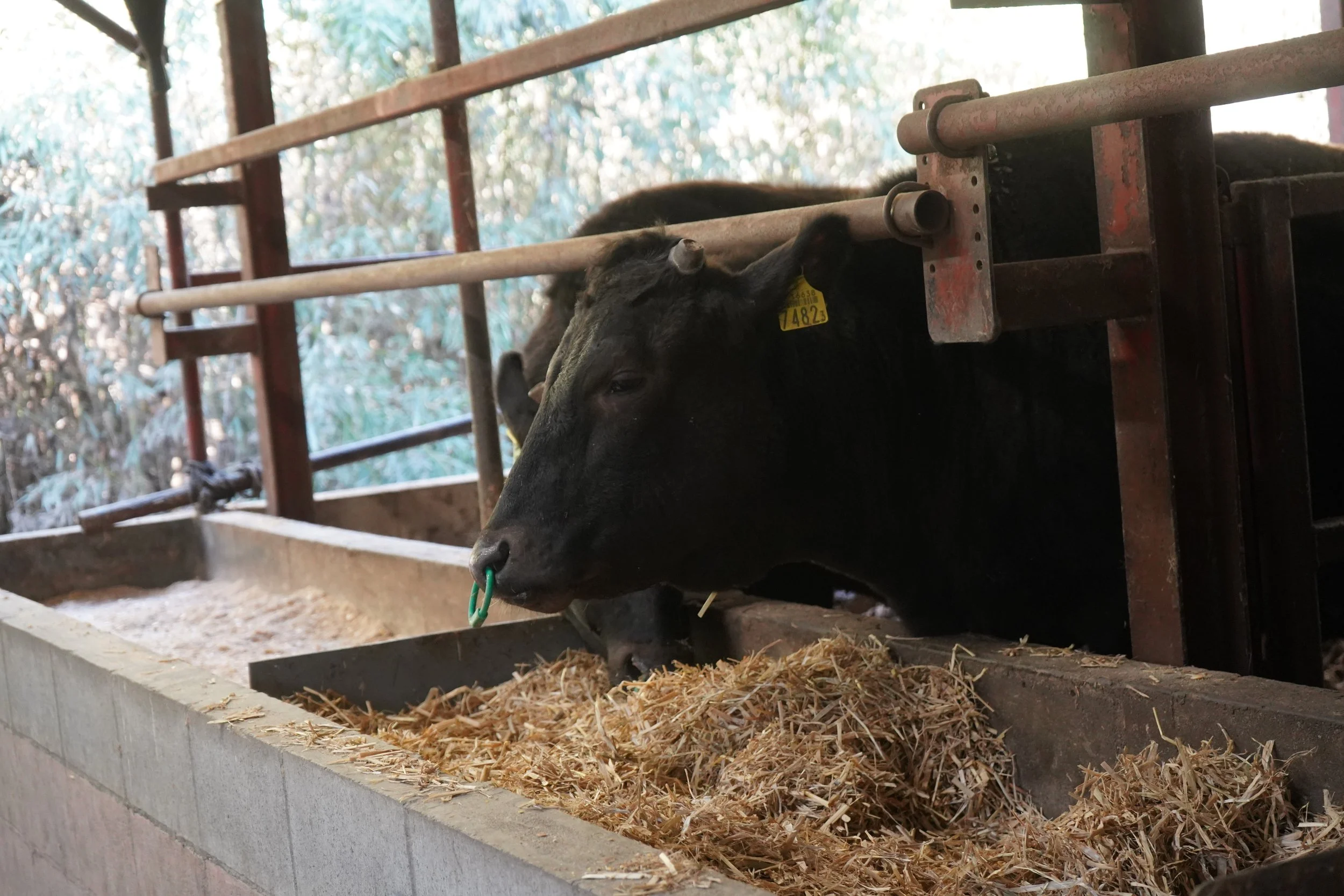
How Are Wagyu Cows Raised?
Raising Wagyu cattle is a carefully structured process that combines traditional farming methods with modern techniques, all aimed at producing the exceptional quality of beef that Wagyu is known for worldwide. Farmers pay close attention to every stage of the cattle's life, from birth to market, ensuring both the welfare of the animals and the premium quality of the meat.
The Two-Stage Farming System
In Japan, Wagyu cattle farming is typically divided into two stages, handled by different types of farmers:
Breeding Farms: These farmers focus on raising calves until they are around 9 months old. During this time, the mother cows are cared for to ensure healthy pregnancies and births, while calves are nurtured in their early development.
Fattening Farms: At around 9 months of age, the calves are sold at auctions and move to fattening farms, where they are raised until they are ready for market, usually between 28 and 30 months old.
This division allows farmers to specialize in either breeding or fattening, optimizing the care provided at each stage.
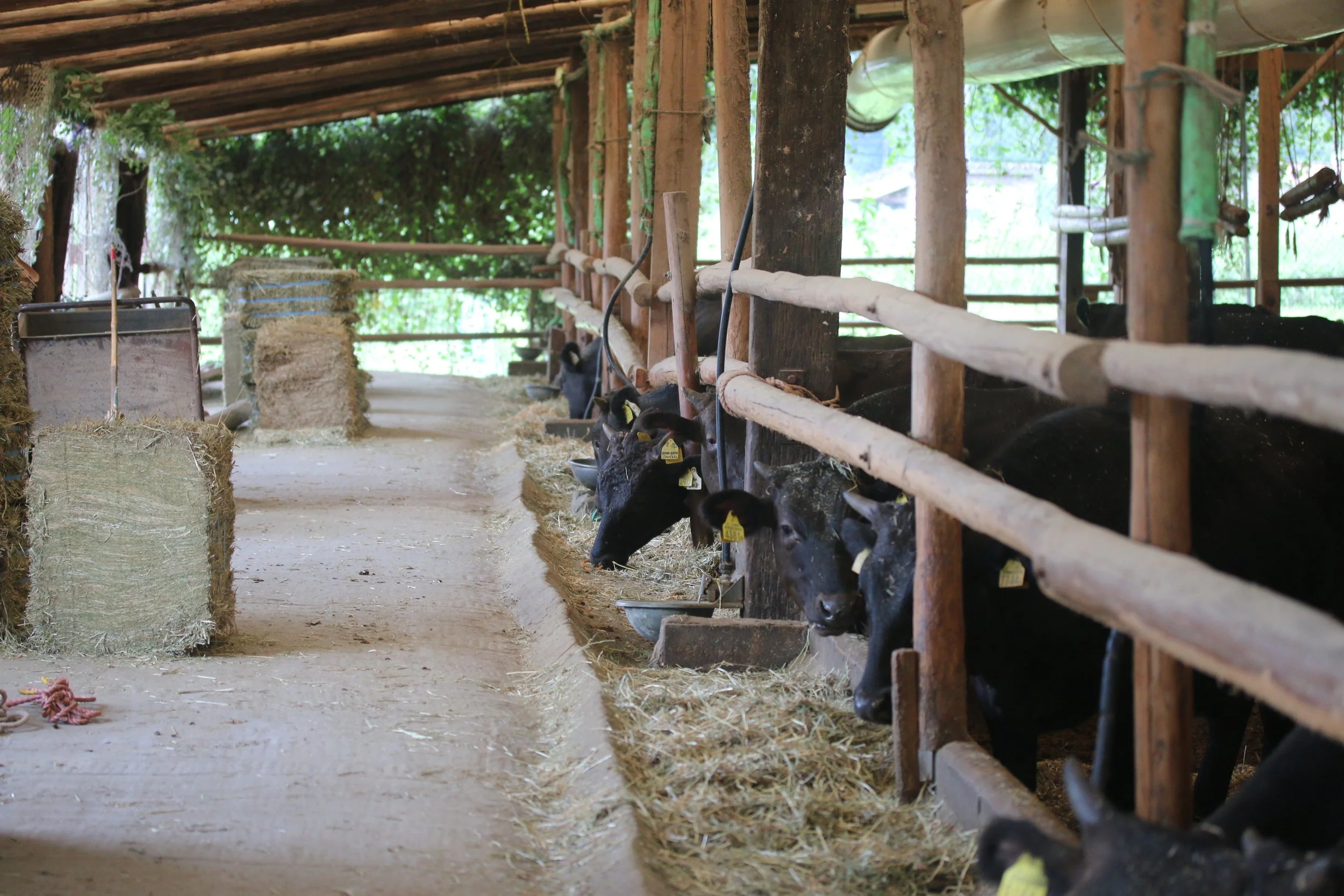
The Early Stages: Calves and Their Diets
When calves first arrive at fattening farms, they weigh about 300 kilograms and have already developed strong stomachs for digesting their specialized diets. In their early months, they are fed primarily roughage like rice straw and hay, along with limited amounts of grain-based feed. This careful balance ensures healthy growth and a sturdy digestive system.
As the calves grow, their diet gradually shifts to include more concentrated feed to encourage marbling in the meat. By 12 months of age, they are eating between 5 to 8 kilograms of grain feed daily, mixed with fiber-rich additives like BIO-bagasse (sugarcane byproduct) to maintain digestive health.
The Fattening Period: A Key to Quality
The most critical period in raising Wagyu cattle is the fattening stage, which begins at around 15 months and lasts until they are about 28 to 30 months old. During this time:
Feed Quality and Quantity: Cattle are given high-energy feed, which promotes the development of Wagyu's signature marbling. Their daily intake is carefully managed to prevent digestive issues while maximizing fat deposition.
Stress-Free Environment: Farmers go to great lengths to ensure the cattle remain stress-free, as stress can negatively impact meat quality. For instance, at Shimomura Livestock Farm, fans are installed to keep air circulating, and cattle are grouped according to their social temperament to prevent conflicts. Regular grooming and even massages are used to maintain the cattle's comfort and encourage smooth fat distributionlth Monitoring**: Farmers frequently check the cattle’s health, including conducting blood tests to monitor cholesterol, stress levels, and energy consumption. This meticulous care ensures the cattle grow strong and healthy.
Final Stage: Preparing for Market
At around 30 months of age, the cattle reach their final weight—often around 800 kilograms—and are ready for market. By this time, they have been meticulously cared for, resulting in meat with a rich, buttery flavor, a tender texture, and the intricate marbling that Wagyu is famous for.
A Combination of Tradition and Care
The art of raising Wagyu cattle combines traditional Japanese farming practices with innovative care techniques, all centered around the belief that healthy, stress-free cattle produce the best beef. As a result, the journey of a Wagyu cow is as much about the dedication and expertise of the farmers as it is about the quality of the beef itself.
